While most kids were in daycare, Brian Taylor had a job to do.
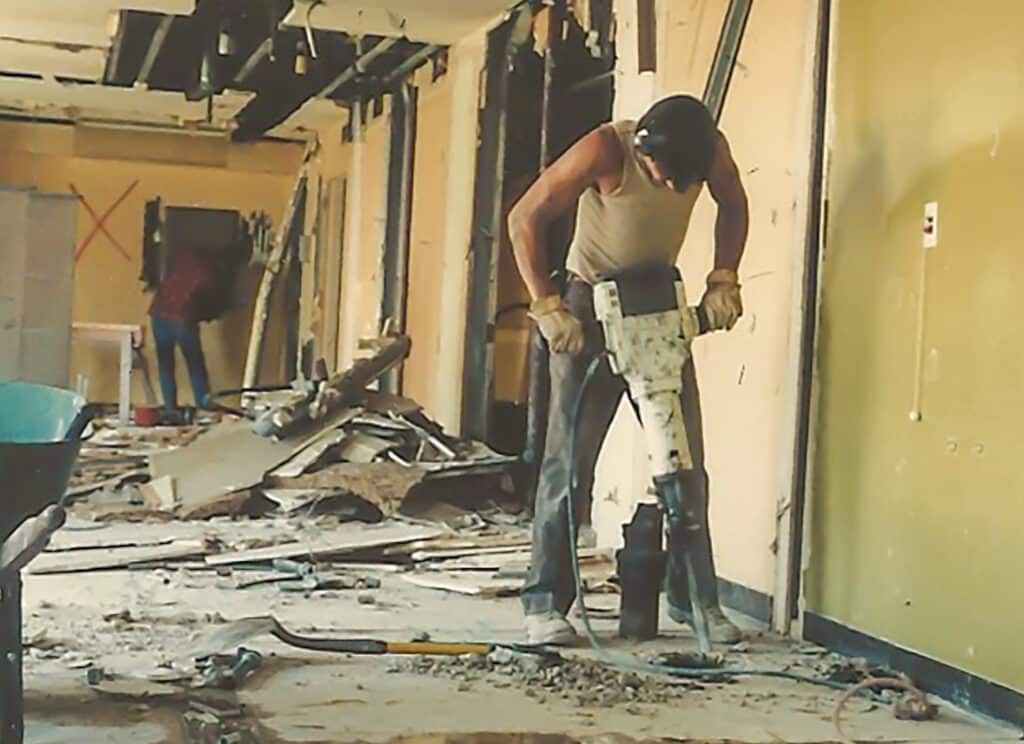
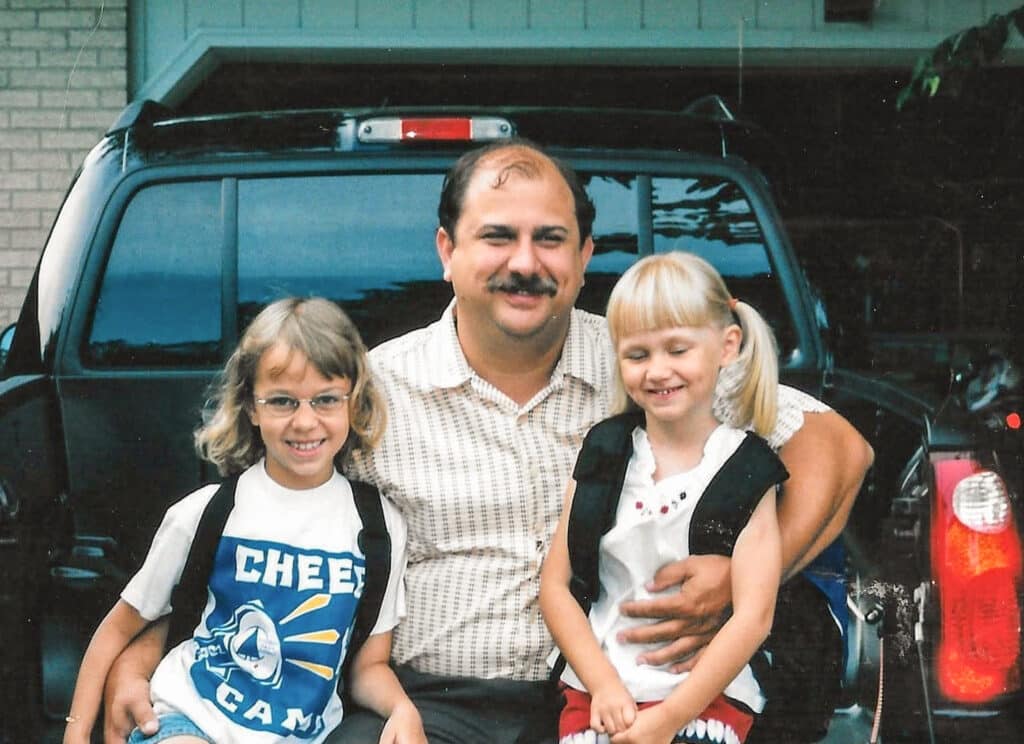
At six or seven years old, he was helping Dad at construction sites. His childhood photo album contains many pictures of Brian painting, pulling nails and learning how his father turned plans into buildings.
“I was around construction all the time,” he said. “And that’s all I ever wanted to do.”
Dad worked in general contracting, as did his grandfather and uncle. His mom ran the office. And more than 40 years into the construction business, Brian can’t imagine doing anything else either.
“I live construction,” he said. “People talk about work-life balance. To me, it’s all one thing.”
A family trade
Brian grew up in Vandalia, Illinois, with an older brother and sister who were 10 and 11 years ahead of him.
By the time he was in second grade, they were mostly out of the house. In some ways, he grew up like an only child. But on his dad’s side, there was plenty of family close by. Many of them worked in construction.
His father, Bud, had his own company, Okaw Valley Construction, until the late 1970s, doing houses and smaller commercial projects before moving into strictly commercial work.
Brian loved being around the work with his dad. When Dad said he had to go to work, Brian wanted to go along.
“Those were the best days,” he said.
His dad also helped establish the building trades curriculum at the vocational school in Vandalia. But he did not want Brian taking those classes.
“He’d teach us everything we needed to know as far as the building trades,” Brian said. “And he wanted us to concentrate on math and science.”
At home, Brian learned construction. At school, he took as many math and science classes as he could. He had a simple plan — get a degree and go into project management.
More than engineering
Brian graduated high school in 1984 and went to the University of Illinois, where he earned a civil engineering degree, specializing in construction management in 1989.
Brian enjoyed the construction management classes, but as an avid reader, he was always interested in the intersection between art and architecture. That interest would shape the kind of work he came to enjoy — schools, libraries, museums and other public life buildings.
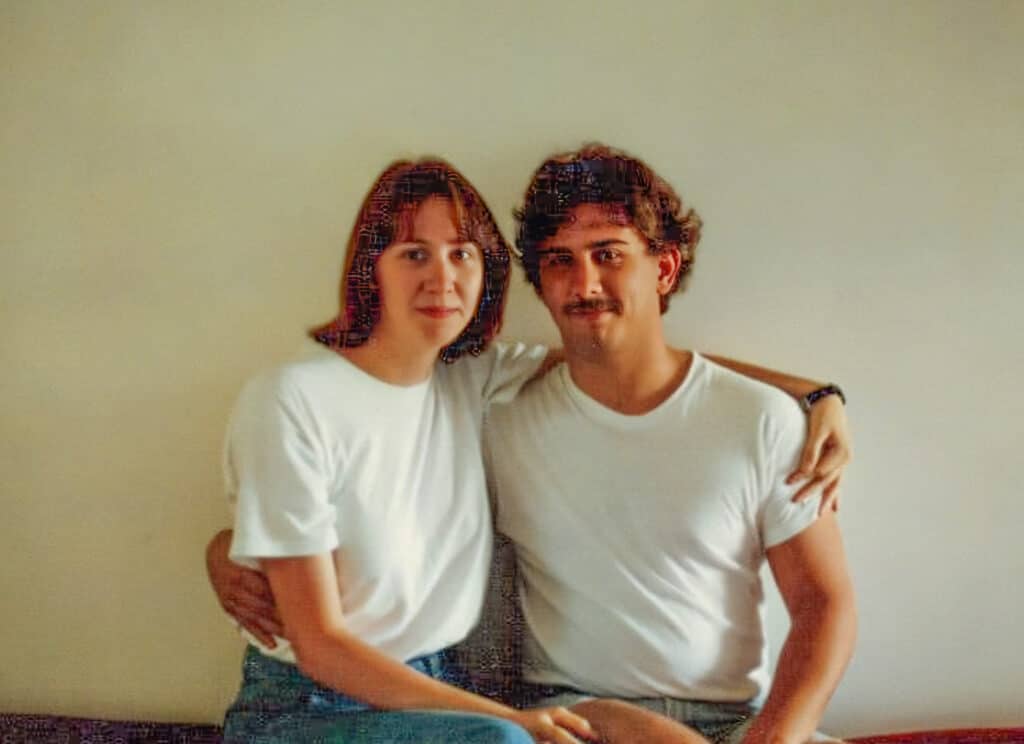
Brian also found love at college, meeting his wife Belinda at a Baptist Student Union chili dinner. She had helped make the chili. A friend asked Brian what he thought of it.
“I said it was probably the worst chili I ever had in my life,” Brian joked.
Despite that, they kept on talking over the next few months. Then they got to know each other on a spring break trip to New Orleans with a larger group of students.
They have been together ever since.
Pressure in Washington
Coming out of college, Brian knew what he wanted to do. He just didn’t know where.
A professor recommended a Washington, D.C.-based contractor. At the time, it was one of the top 10 general building contractors in the country.
The company put him directly into project management, and he became a junior project manager on the United States Holocaust Memorial Museum in Washington, D.C.
“It was pretty intense,” he said.
The project was important, the responsibility heavy. Brian was young and hadn’t shouldered that much weight before, but he learned to carry it.
“I think it was very much a period of growth for me,” he said.
There were days when he had to step away and regroup. He learned that projects move forward whether you feel ready or not.
But they got the job done, and Brian moved on to the next one with earned confidence.
A hard move and a family business
After about three years in Washington, Brian and Belinda moved back to Illinois.
His mother-in-law was sick, and Belinda helped care for her. Brian took a job at a smaller company with an office in Urbana, Illinois. It was a shift from East Coast construction to Midwest construction, with a different pace and way of doing business.
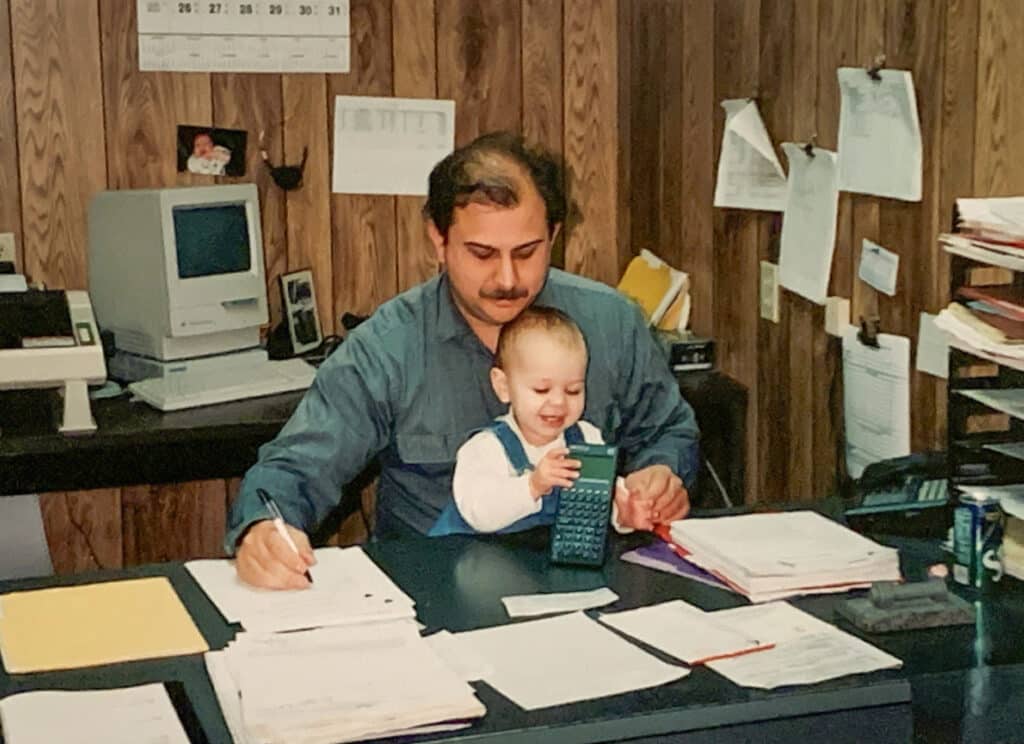
They were in Urbana about a year and a half before Brian’s dad called. His father and brother had started a company doing construction management services for cancer centers in Texas.
They needed Brian’s help, so he, Belinda and his mother-in-law packed up and headed for El Paso.
Sadly, his mother-in-law got sick on the way and died shortly after they arrived.
“That was also pretty daunting, honestly,” Brian said.
They were in a new town with new work. Belinda was grieving. Brian was torn between his family at work and at home.
Brian became company president almost as soon as he arrived. He handled estimating, project management and the executive work. Working with his father was easy in some ways, but the pressure was different from the pressure in Washington.
“The pressure of being responsible for everybody in my family, extended family,” Brian said. “To think that all of that weight was on my shoulders was pretty difficult.”
Eventually, Brian, his father and his brother decided to move the company back toward Southern Illinois and build a regional business. Brian moved to Greenville, Illinois, and the company opened an office in Brownstown, Illinois.
They built the business from nothing, bidding work and growing year after year.
Then 9/11 changed the bonding environment for small and midsize general contractors. The company had about six projects lined up at the end of 2002. One by one, they fell through.
There was not much else to do. Brian started sending out resumes.
His brother wanted to keep going. His father had been through hard business cycles before and understood the decision.
Brian ended his chapter with the family company, though he wasn’t done with the family business.
Schools, family and a good fit
Brian’s next stop was an Indianapolis-based company focused largely on school construction management.
There was a lot of school work in Illinois at the time, and Brian came on as division manager. He ran the Champaign office for five years.
He loved it. Minimal travel. Big projects. Good people running the work.
“They were just fun jobs,” he said.
It was also a chance to work with his dad again. Brian brought him on as a part-time superintendent. Once the corporate office saw what his dad could do, they wanted him to stay full time. Dad was about 73.
When Illinois pulled back from its school construction push, the company closed the Champaign office. Brian was laid off and Dad retired at age 78.
Big-company lessons
Brian needed to make a new move, but this time, it had to fit his family.
His daughters were in junior high. So, he found a job that let the family stay in Urbana, going to work as a project manager for a major company constructing alternative energy projects.
During his tenure, Brian managed a biomass energy plant at Eastern Illinois University, wood boiler projects in Canada and a refinery that converted beef tallow into diesel and jet fuel.
The projects were interesting, but after working for his family, Brian didn’t enjoy working at a massive company. For the refinery project, Brian said they had more than 20 reviews before they could send out a price.
“Several levels of bureaucracy were involved in all the decisions and everything you did,” he said.
After nine years, he was ready for something else and left in fall 2016.
Finding The Korte Company
Growing up in rural Illinois, Brian knew The Korte Company name. But he didn’t know the full extent of the company’s work, especially with the federal government.
After applying, Brent Korte called him in for an interview. At the time, several school projects were anticipated and Brian expected to work on those. He liked creating buildings with unique character that mattered to the community, and he soon got the chance.
He started as a project manager at The Korte Company in October 2016. On his second day, he was part of a proposal interview for a school addition in Monrovia, Indiana. They won the project, and Brian jumped right in.
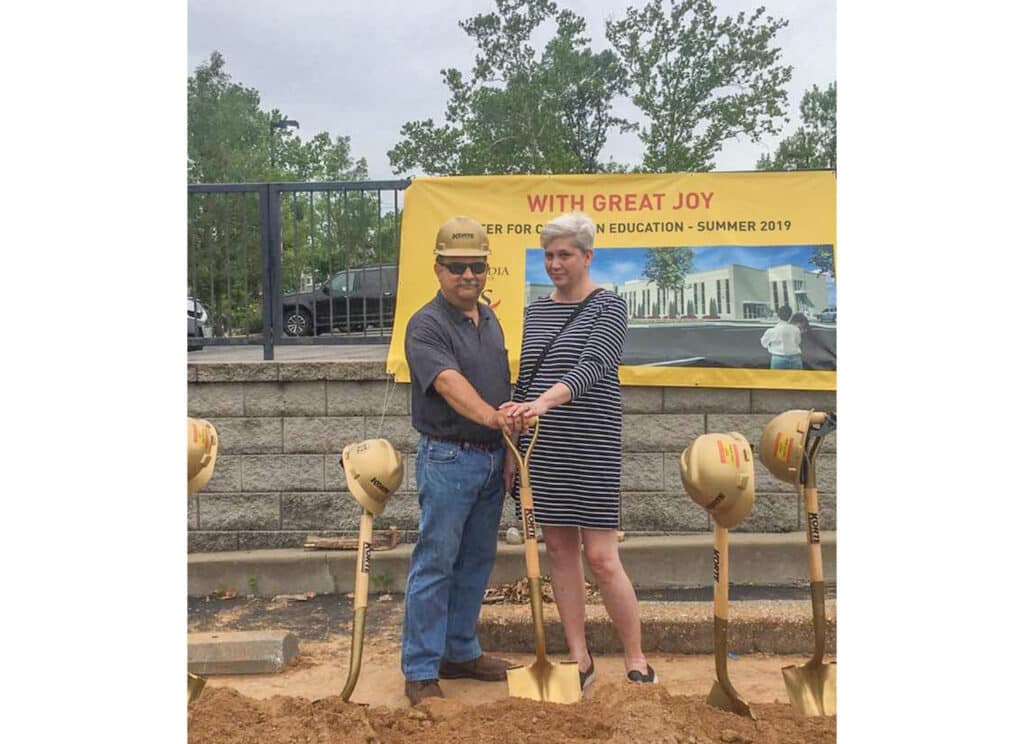
The Korte Company felt like a better fit — big enough to build serious facilities, but small enough that he can talk to the people making decisions. And it works both ways. Soon after, Brent came into his office and told him he needed Brian on a project at Cannon Air Force Base.
Since then, Brian has worked mostly on Department of Defense projects. In a way, it brought him back to where he started. The contractor he worked for on the Holocaust Museum project did a lot of government construction. Now, decades later, Brian was back in federal.
“Yeah, it is more or less full circle,” he said.
That circle got even tighter at Joint Base Lewis-McChord. The first time he drove onto the base, something looked familiar. Years earlier, he’d installed cancer treatment equipment at the hospital.
The next generation
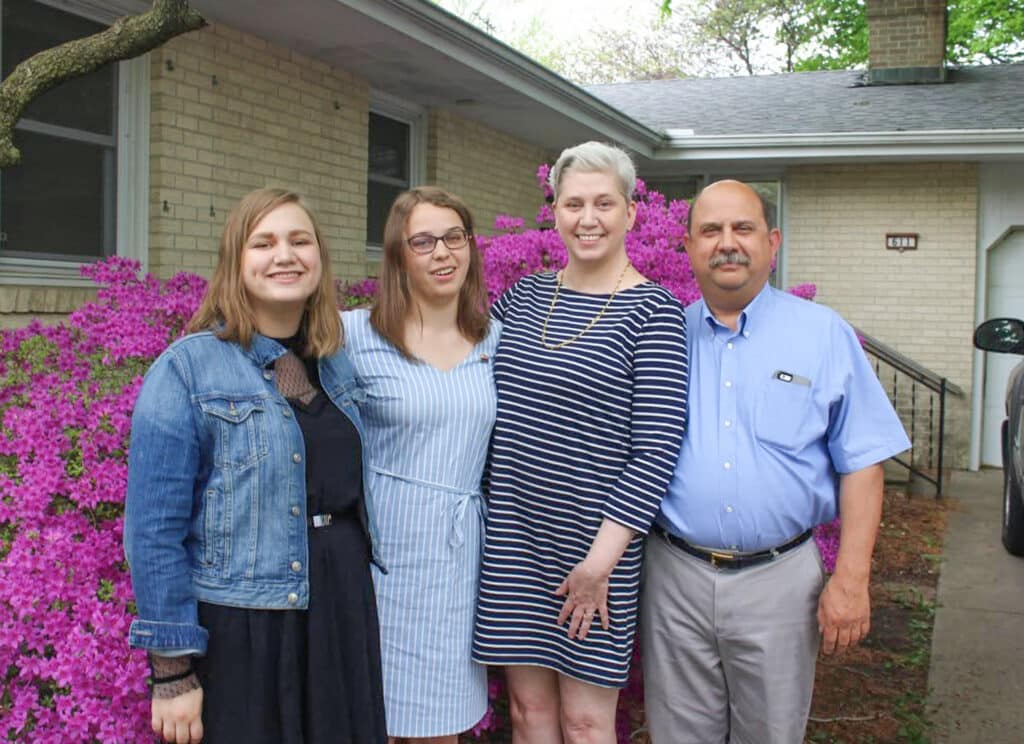
Brian’s children also took up the family tradition in construction, each in their own way.
Maggie grew up much like her father. While Brian went to job sites with his dad, Maggie tagged along when Brian presented at school board meetings. And she’s come a long way since then.
She served as quality control manager for The Korte Company on the Army Reserve Center project at Joint Base Lewis-McChord, worked out of the Las Vegas office and was promoted to project manager. She now lives in St. Louis and still works on Department of Defense projects for The Korte Company.
While Brian didn’t want to push Maggie or her sister, Arabella (aka Rose) into construction, he gave them every opportunity to succeed in any path they took.
The University of Illinois offered engineering camps for girls, and each summer focused on a different type of engineering. Brian and Belinda sent their daughters so they could see what was out there.
Maggie liked civil engineering. Rose leaned toward drawing and the arts. She eventually attended an architecture camp, where she found her calling. She’s now an architect with Lawrence Group in St. Louis.
Never be satisfied
After all these years, Brian still strives to improve. That comes from his father.
“One thing my dad instilled in me is never be complacent, never be satisfied,” Brian said.
For young people entering the business, Brian’s advice is similar.
“Always push yourself, always try to learn,” he said.
That does not stop at construction. He believes people should be life-long students. Build a wider mind. Learn about art, music, cities, people and how the world fits together.
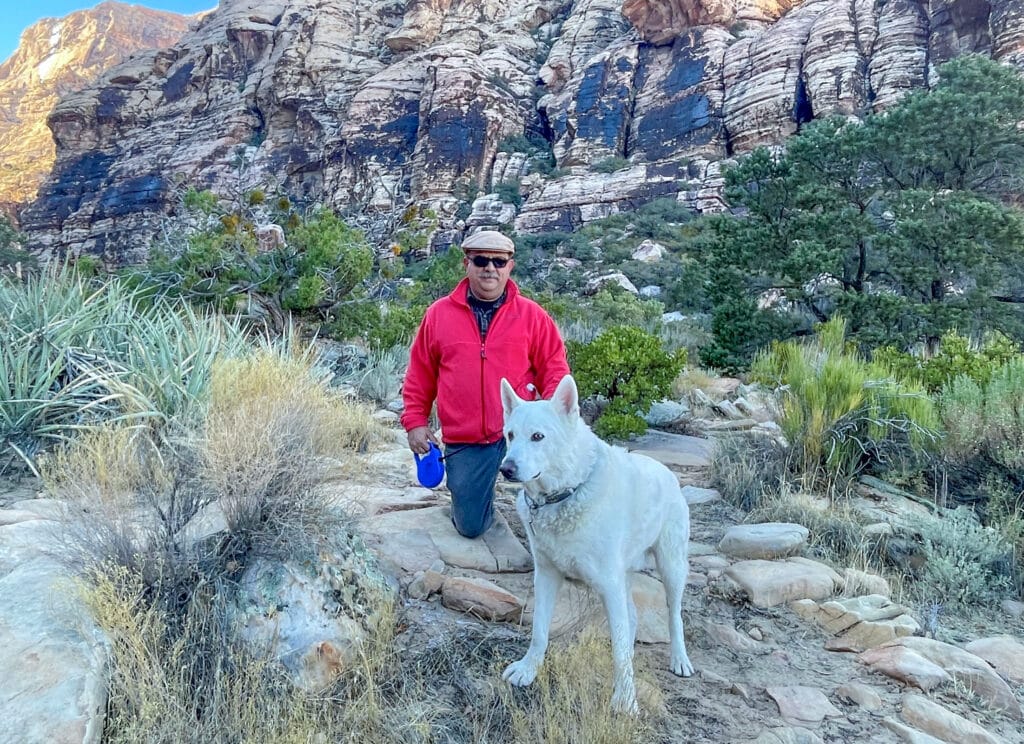
Brian has a collection of records and CDs several hundred strong. He has rock, blues and jazz. He also likes to hike with his German shepherd, Shadow, and wants to see Illinois play basketball in every Big Ten venue.
Belinda is also an avid reader and researcher. She had a perfect ACT score, he said, and when something interests her, she digs all the way in.
“She’s the smartest person I’ve ever known,” Brian said.
Rose is also planning an October wedding.
Still building
Brian has worked on museums, schools, cancer centers, medical buildings, energy plants, federal projects and Department of Defense facilities.
He has worked for small companies, large contractors, a family business, a massive corporation and now an employee-owned builder.
He has carried pressure in Washington, D.C. He has carried family responsibility in El Paso and Southern Illinois. He brought on his father as a superintendent. He has seen his daughter become a project manager.
Now he helps lead federal work for The Korte Company, building on the same kind of government construction experience that shaped him at the start.
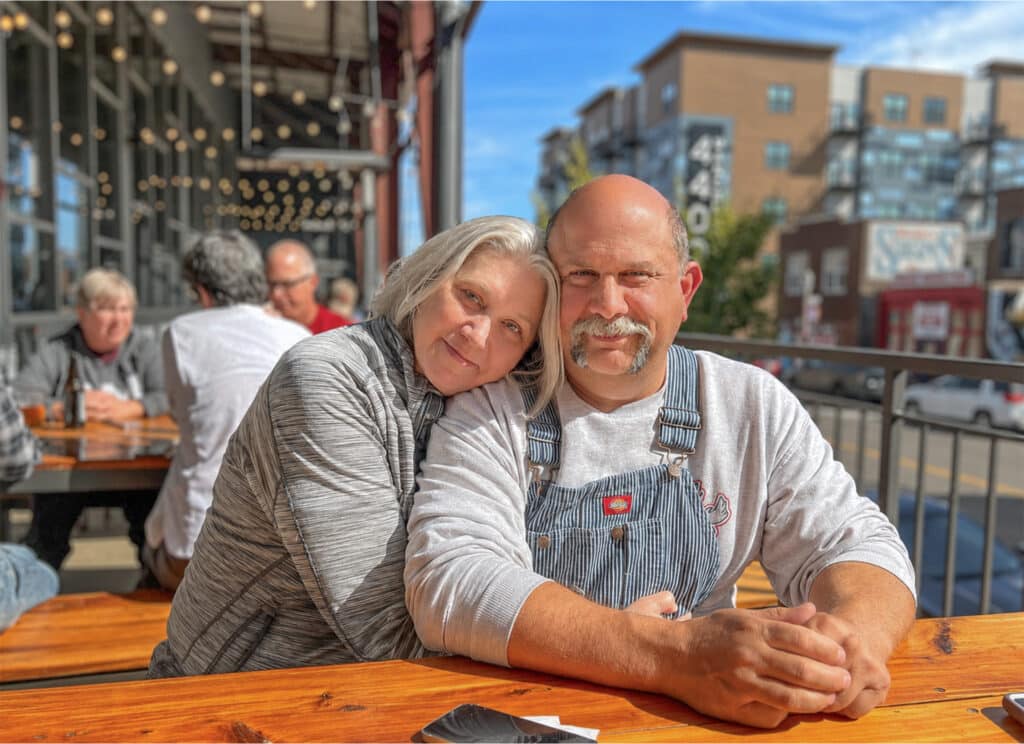
He is not counting down to retirement.
“There’s nothing I would rather do than continue building buildings,” he said.
That’s been the case since the job sites where he pulled nails as a kid.
Some people choose construction.
Brian Taylor was built in.