Dan Liening learned trust the hard way — looking down from the side of a church steeple.
He was fresh out of Mater Dei Catholic High School. Young. Strong. Relatively fearless. And he needed to be.
Back then, he worked for Kreb’s Cathedral Art Glass in Breese, Illinois, painting and repairing area churches.
He still remembers taking the cross off the top of a steeple so it could be regilded. To get there, Dan and another worker would climb out of a trapdoor near the base of the steeple and build a small platform. The rest was simple. One man climbed. One man held the ladder.
No ropes, no tie-off. Not until he reached the cross.
“The guy climbing the ladder was relying on that fellow coworker to hold that ladder in place until he got that top tied off,” Dan said. “Having faith in your coworker was a big thing.”
That lesson stayed with him through 40-plus years in concrete and construction.
Through ready-mix plants, job sites, airplane rides, pre-job meetings, late-night pours, hard conversations and all the little fixes that keep a project moving.
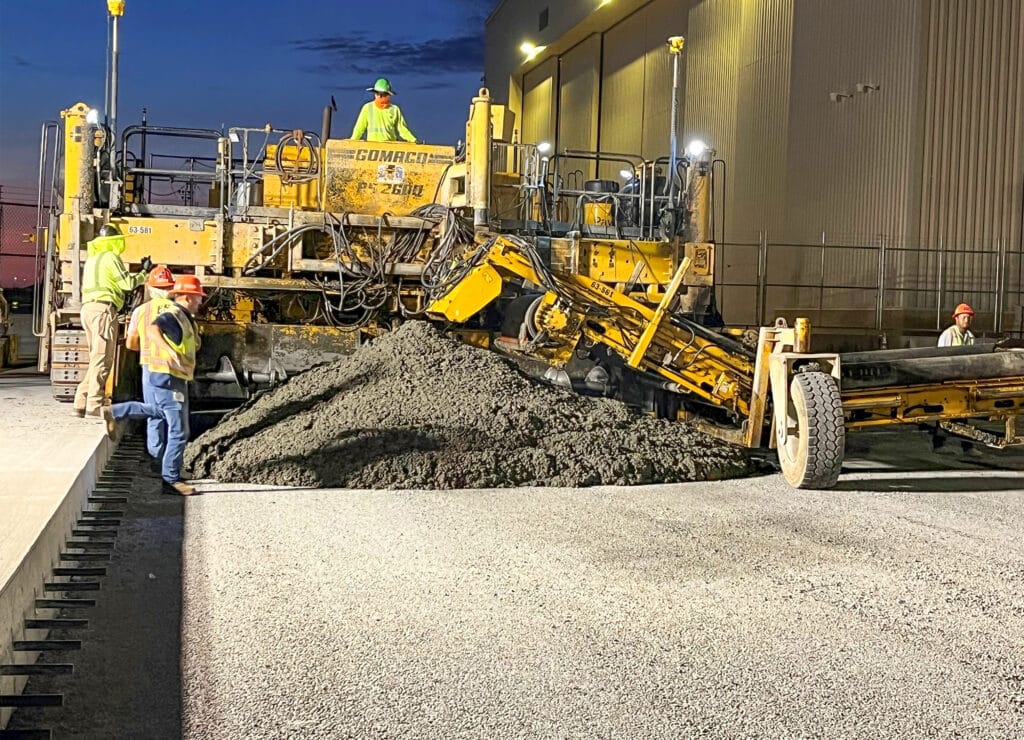
Somebody has to climb. Somebody has to hold the ladder.
A Breese kid with ice cream close by
Dan grew up in Breese, Illinois, right behind the Dairy King — the best place for any kid to be.
“That was great growing up,” he said. “Always had quick access to ice cream and hamburgers.”
He liked the area so much that in 1986, he built a house about three blocks down the road. And Breese is still his home today.
Dan was the oldest of three kids, with a sister and a brother. He went to grade school at St. Dominic, now part of All Saints Academy Catholic School and graduated from Mater Dei Catholic High School in 1976.
After high school, college didn’t feel like the right fit, but he knew he needed to fit in somewhere soon.
“I just needed a job,” he said.
And there happened to be a painting company across the street.
That job gave him experience in a time-honored craft and a healthy respect for gravity.
Dan remembers the inside of those church steeples. The big timbers. The way people built them in the old days.
“How those guys built those things years ago without all the modern equipment, just amazing,” he said.
He also saw how quickly things could go wrong.
One day, a man was taking a cross off the top of a steeple when it overbalanced. The cross fell, and he fell with it. His safety belt caught him, leaving him hanging against the steeple while the cross dangled below.
It made Dan think. Not enough to scare him off, but enough to teach him a few important lessons: the work matters, the details matter and your teammates matter most of all.
Learning concrete from the ground up
In 1980, Dan went to work for an area ready-mix concrete plant.
He started as a concrete truck driver. Before long, he was doing a little of everything — driving, batching, loading trucks and helping wherever help was needed.
And Dan was rewarded for his work ethic. By the late 1980s, he was managing plants.
His boss, Herb Hustedde, was tough and pushed hard. The workweek was long. If a crew stayed overnight after a late pour, Herb might call the next morning and tell them to get moving.
“You can sleep when you’re dead,” Dan remembers him saying.
But Herb also taught Dan something bigger than hard work. He taught service. “Give people what they want and help them anytime and all the time,” Dan said.
That was how the company built its name. Dan remembers homebuilders saying they would buy from Herb’s company no matter the price because his drivers got out of the truck and helped.
That stuck with Dan.
“If you just do what’s expected, nothing really changes,” he said. “Life doesn’t really excel. You don’t excel. You’ve got to do that little bit extra.”
Dan also started learning mix designs and quality control. He worked in Mount Vernon, Centralia and New Baden.
But after a while, he started to run out of new challenges. He had gone about as far as he could go there and wanted to learn more. He read concrete magazines and saw stories about big jobs, new machines and larger projects. Dan wanted to be a part of something bigger.
“There was this little fire always kind of burning,” he said.
Then a friend told him that The Korte Company had an opening in quality control.
Dan had concrete experience. Korte had bigger work. He finally found that perfect fit.
A different kind of college
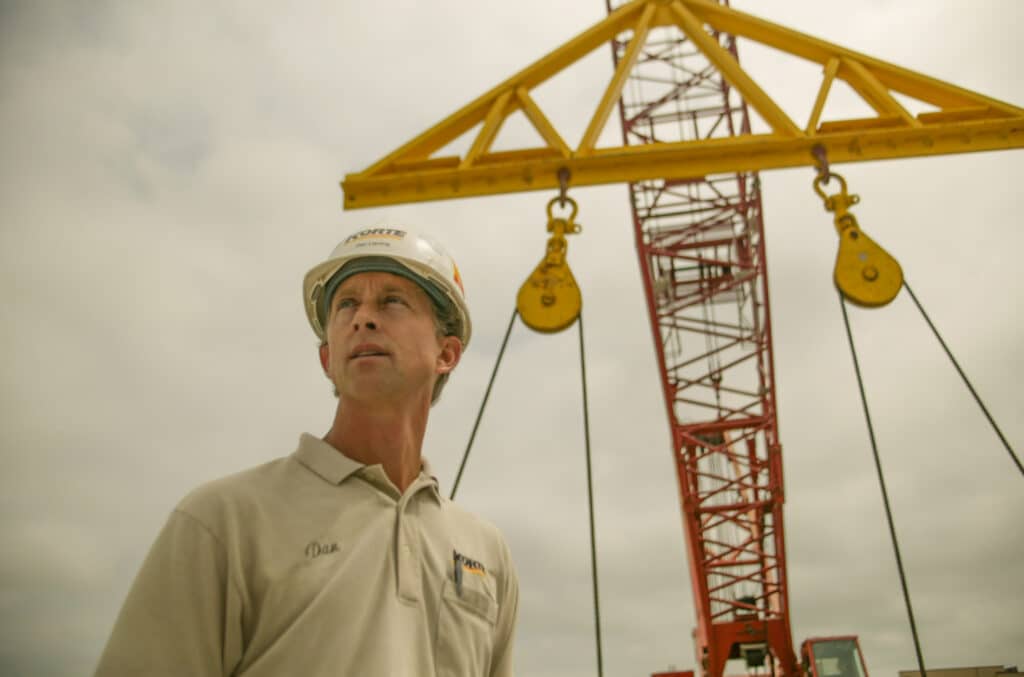
Dan joined The Korte Company in July 2001 as a quality assurance manager.
He had a good handle on concrete, or at least he thought he did. Then he got to Korte.
“I would say overwhelmed would be the word,” he said. “The first thing I realized when I got here after a couple weeks was how much I didn’t know.”
The company felt much bigger and more complicated than anywhere he’d worked before. While Dan wondered what he had gotten himself into, he will never forget what this experience got him out of.
About a month and a half after he started, Mike Tubbs asked him to go to New York City for a meeting with the U.S. Postal Service. Dan thought about it for a week or two and decided he was not ready. He told Mike he didn’t think he was ready.
Mike canceled the trip. They were supposed to be in New York City on Sept. 11, 2001.
The next day, Mike sent Dan an email. “I’m going out and buying a lottery ticket.”
Dan never forgot that close call, but he also never wanted to cancel a trip again. He needed to learn fast, gain confidence and keep learning.
So, he went to seminars. He read everything he could. He built a network of industry contacts. He called people when problems came up and learned from his mistakes before they became problems. He learned concrete, asphalt, flooring and Tilt-Up construction and gained knowledge from everyone around him, including his coworkers and subcontractors.
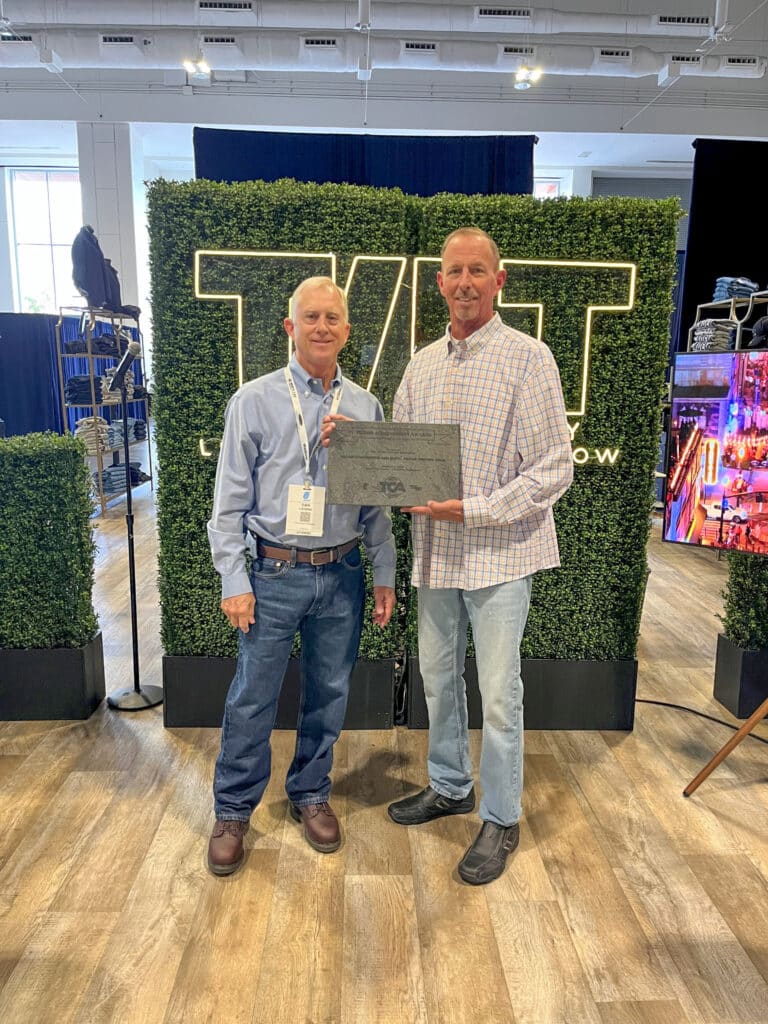
General Superintendent Tom Korte taught Dan a simple way of making hard calls in the field. “Always do the right thing. If this was your building, what would you do?”
Dan never went to college after high school, but The Korte Company filled the gap.
“I’ve always said Korte has been the college that I never went to,” he said. “Anything you wanted to do, as far as education-wise, you always had a green light.”
Taking ownership of the work
Quality assurance can sound like nitpicking and paper pushing. But to Dan, it was personal.
He took ownership of every project he touched. It was his building and his concrete. That level of dedication helps make every project more successful.
He didn’t make the work about himself. He owned the outcome, asking questions and looking for weak spots in every facet of a project. Nothing moved forward until he knew how to overcome every obstacle they faced.
That’s quality assurance at work.
On one Korte project in Hawaii, the concrete crew had a problem on the morning of a scheduled pour. The job was on a base in Honolulu, and concrete deliveries had to be scheduled weeks in advance.
The subcontractor showed up alone. His crew could not get on base. Without help, he would have to cancel the pour and set the project back weeks.
Not on Dan’s watch. He just asked the sub if he had the tools they’d need.
“You just keep the concrete coming,” Dan told him. “We’ll take care of getting it on the ground, striking it off and floating it for you.”
Dan and a few team members unloaded the truck, placed the concrete, struck it off and finished the work.
At the end of the day, Dan thought back to Herb at the ready-mix plant.
“That was Herb all over,” he said.
The old lesson had shown up on a new job. Help the customer. Help the team. Do the thing that needs doing. The Job is the Boss.
Leading without standing above
Dan has always respected people who lead without making others feel small. That’s one thing he admired about Tom Lyerla.
“You knew his position,” Dan said. “But he could sit and talk to you like you were on the exact same playing field as he was.”
Dan tried to bring that same spirit to the field. If he saw missing rebar during a pour, he did not just point and wait. He’d put them in himself.
He knew that was not always his job, but it didn’t need to be. That’s part of taking ownership.
When an inspector is willing to “get down and do the stuff that we’re doing,” Dan said, it sends a message. It shows everyone that nobody is above the work.
Maybe ten people saw it. Maybe two remembered it. But those two could have helped somebody else on the next project.
“That’s how life changes,” Dan said. “That’s how things improve. If you don’t go above and beyond, nothing ever changes.”
The hard years that fit later
In 2013, work slowed down, and Korte closed the quality assurance department. Dan was let go.
The next day, Herb called from the concrete plant and asked if he needed a job. Dan went back for about a year and a half.
Another construction company called, which was creating its first quality assurance department. They wanted Dan to support their field teams and learn more about scopes beyond concrete, including windows and air barriers.
It was a difficult challenge, but it was just another in a long list. Dan showed up on job sites, made suggestions and held detailed pre-job meetings. Some superintendents weren’t used to such a studious team member. But over time, the value showed.
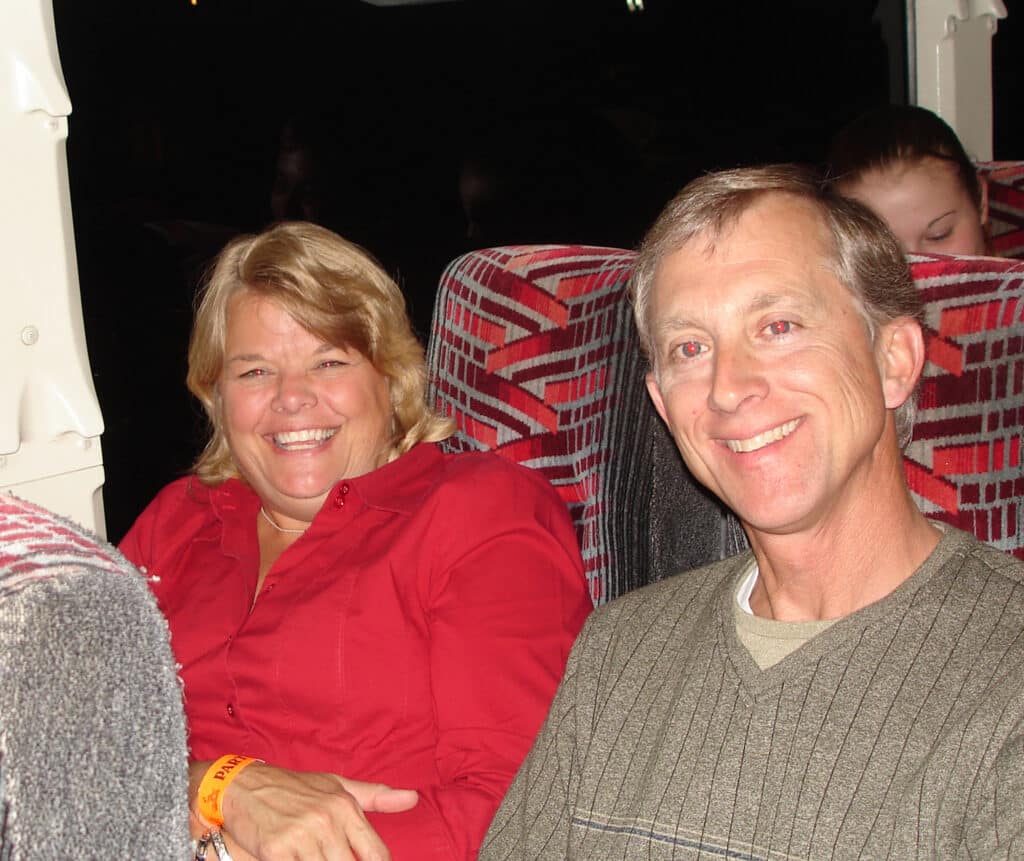
At a company meeting, one of the superintendents from a large project stood up and told the rest of the group they had no idea how important Dan’s pre-job meetings could be.
The Korte Company knew how valuable Dan was and asked him to come back in 2017.
At first, two quality assurance people were supposed to return. The other changed his mind and came back alone. This time, he had to cover all scopes. And he was glad for all the experience he gained while away.
“What I learned at the other company about more of the scopes helped me this second time around,” he said.
Even the layoff was worth it in the long run.
Dan compares life to a thousand-piece puzzle dumped on a table. Early on, it looks like a mess. Later, you can see the whole picture come together, piece by piece.
“I understand how this puzzle fits together now,” he said.
Back where his heart wanted to be
Dan came back to The Korte Company because he missed the people. He also missed working on the big projects. The Amazon facilities, U.S. Postal Service projects and military work. The kind that come with pressure and pride.
“That’s where my heart really wanted to be,” he said.
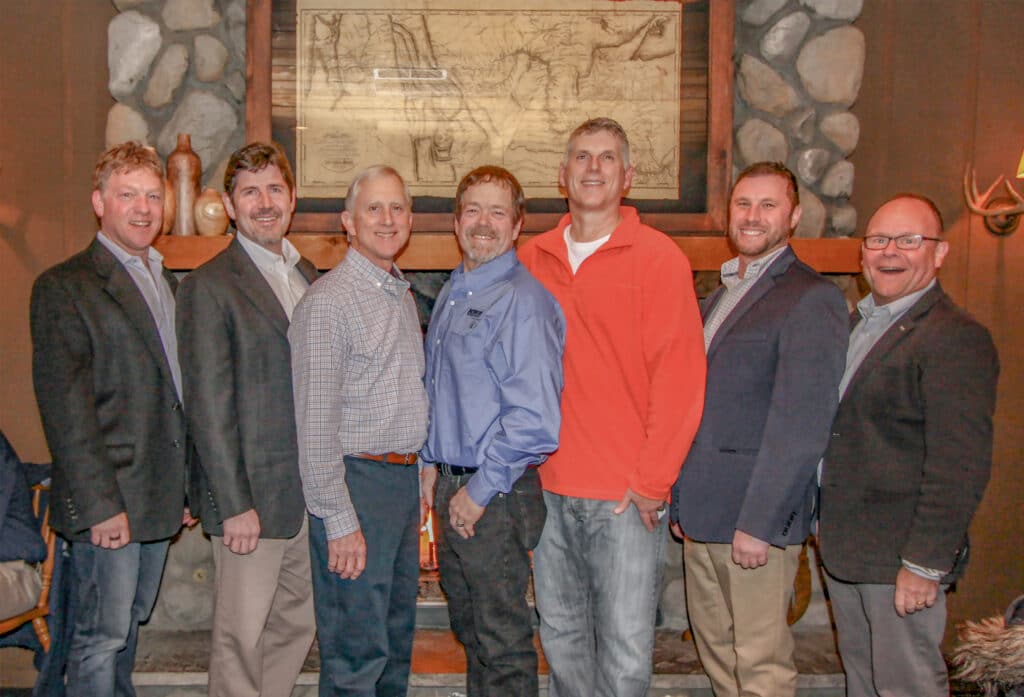
Coming back was not as simple as picking up where he left off. Things had changed. Dan had more to learn. He had to keep climbing the ladder. So, he kept attending seminars and building knowledge that people could rely on.
“If I gave them bad information the first time, they’re not going to call you the second time,” he said.
Over time, one of the places he grew to know best was Las Vegas. It was intimidating at first. Dan said it felt like Midwest builders were treated like they were from another planet. Trust did not come easy, but he earned it eventually.
Years later, Las Vegas felt like Dan’s second city, and he took ownership of those projects like any other. If he found an issue during a site visit, and he could solve it with the superintendent and subcontractor in the field. Quick and simple.
“If we can fix it out in the field, number one, I don’t embarrass the superintendent,” he said. “And I think that eventually just keeps building your trust with these guys.”
That’s all a part of holding the ladder for your team members to climb as well.
Teaching what the book does not
Dan retired at the end of 2025. But he didn’t let go of the ladder.
He still works part-time few days a week, helping the new quality assurance manager and answering questions when people need him, whether in the office or the field.
He likes the work and the sense of purpose.
“I like it when people come to me with questions, and I can teach them something,” he said.
Dan spent a lifetime learning things you may not find in a textbook, mostly from hard-earned experience. It would be a shame not to share it.
“Dying with this knowledge in your head does no one any good,” he said. And that has always been part of his work, even before retirement.
Dan learned that many field mistakes happen because nobody took the time to explain things to their team. Workers were told what to do, but not why it mattered.
Dan always has time to teach his team a thing or two, like why dowels are placed a certain way or why a floor needs to be protected.
Once people understand, the lights come on, he said.
A life measured in people helped
Work changed Dan. When he first started at The Korte Company, he avoided speaking whenever he could. It was part of the reason he canceled the trip to New York.
But quality assurance put him in front of people. He had to run pre-job meetings, talk to crews, read faces, make eye contact, and learn when to push and when to ease up.
The Korte Company helped hold the ladder as Dan climbed.
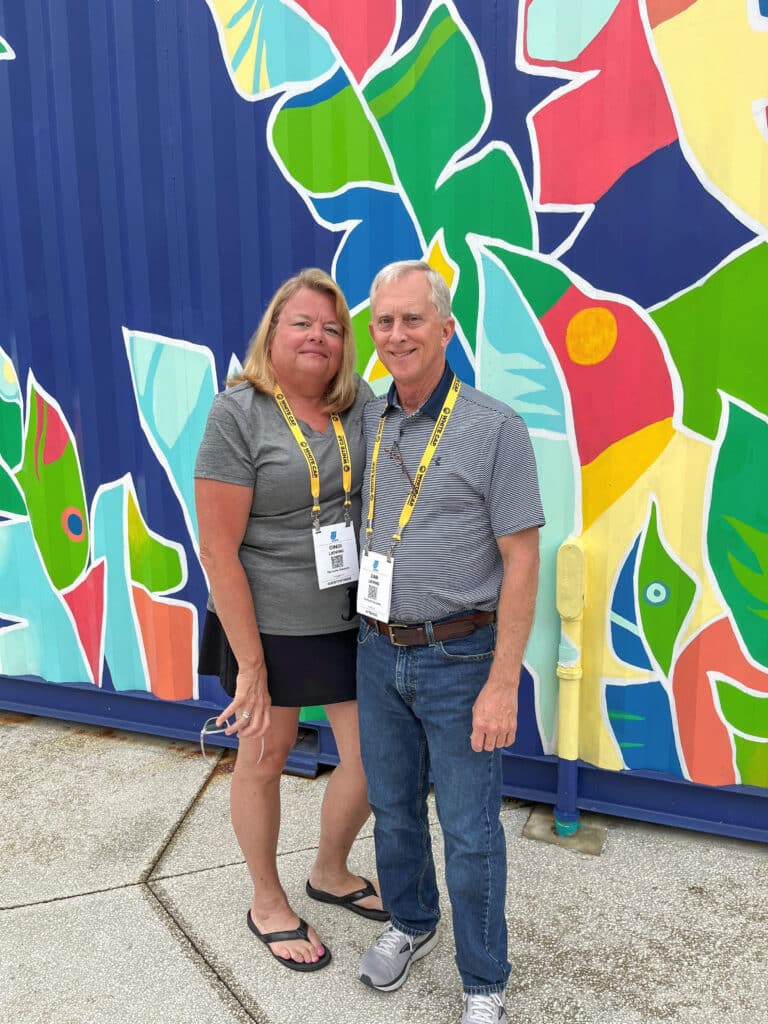
That confidence carried into life outside work. Dan became a Eucharistic minister at his parish and found he liked being in front of people.
At home, Dan and his wife are both retired with two daughters and a son. Their daughters live close by. Their son lives in Minneapolis, but he still makes his way home.
In 2026, Dan’s son nominated him for the Mater Dei Catholic High School Hall of Honor. Dan appreciated the award, but the nomination meant even more.
“It was a real honor to know that your son thinks enough of you that he wants to do something like that,” he said.
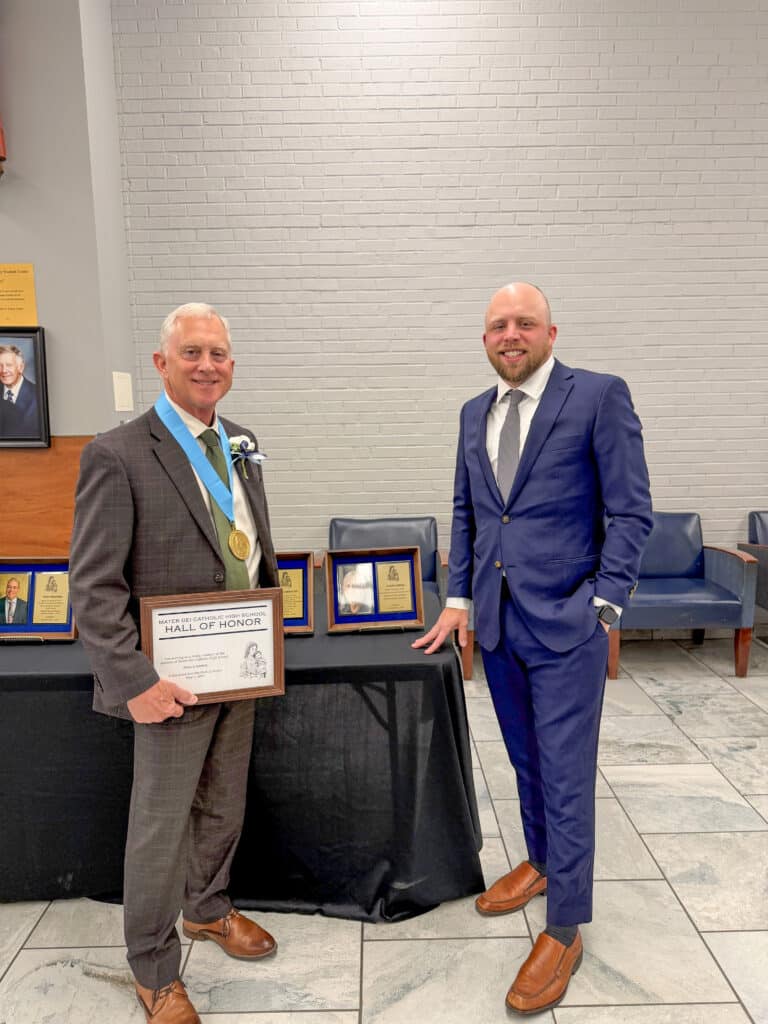
These days, Dan spends much of his downtime watching hummingbirds. It’s fitting — a man who spent his career noticing small things in big projects appreciates the littlest birds in the sky. At one point this spring, he had nine feeders out.
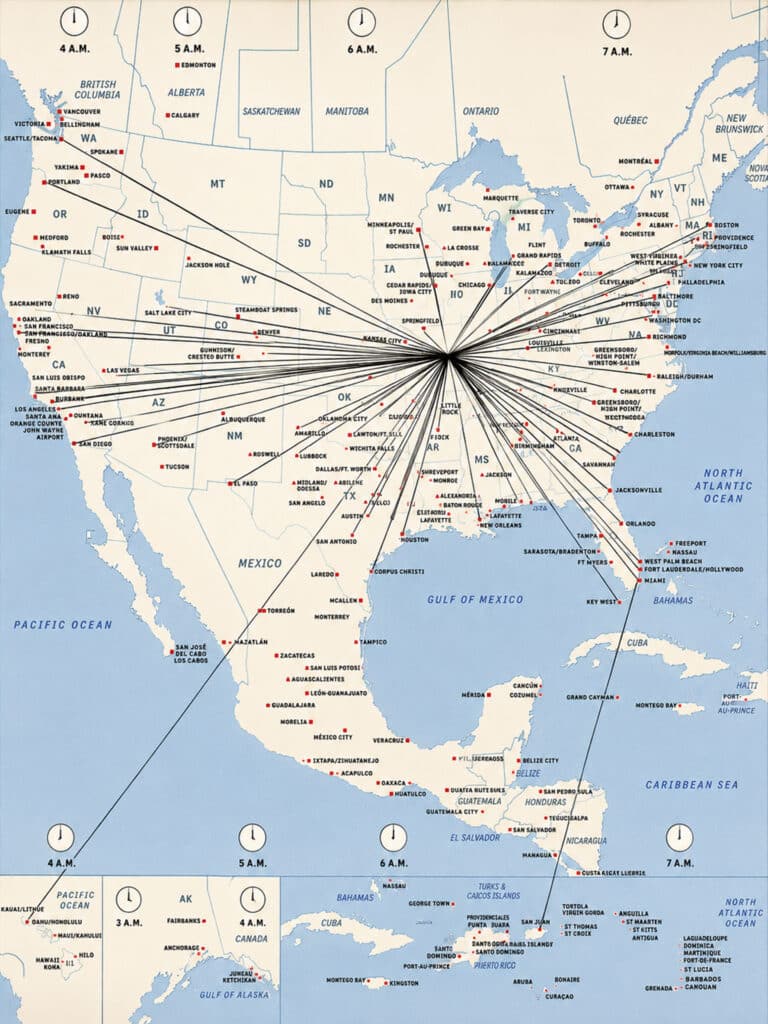
Dan has traveled throughout the nation and seen the industry change. He has worked on church steeples, prisons, military bases, distribution centers and a multitude of projects from Hawaii to New York.
He is proud of what he has done. But when Dan talks about the end of it all, he does not talk about accomplishments or titles — it’s about the people.
“When I close my eyes for the last time, wherever that might be, I want to be able to say it’s not about how much money I’ve made in my life,” he said. “My comforting thought is going to be, ‘How many lives have I touched along the way in a positive manner?’”
That’s the real measure.
The people he helped. The trust he built. The ladders he held.